

Iiwi
Honeycreeper
Field guide · Hawaiian Islands
Start with the bill. An Iiwi reaches into a flower, an Apapane moves through flowering ohia, and an Akepa prises apart a leaf bud. These close relatives make a living in the same kind of forest in remarkably different ways.

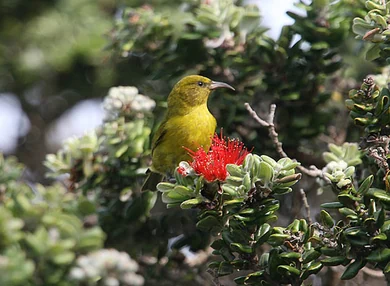
Hawaiian honeycreepers descend from a common finch ancestor. Across the islands, the group evolved a striking range of bills. The name “honeycreeper” is a poor field guide to diet on its own. Some species follow nectar, while others extract insects that could go unnoticed inside an unopened bud.
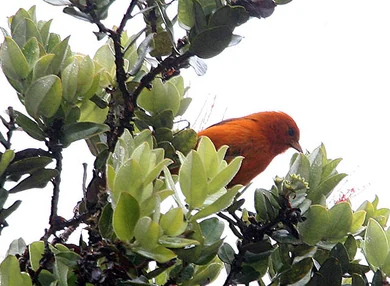
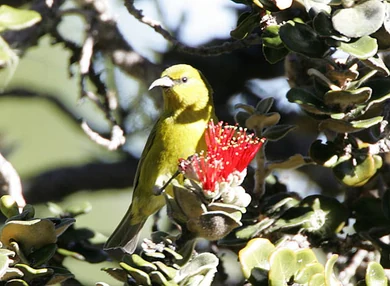
When you see a flash of red, look toward the face. The Iiwi’s long peach bill makes a deep, smooth curve; the Apapane’s dark bill is much shorter. Both visit ohia flowers. An Apapane can also pick insects from moss or lichen, so follow the bird when it leaves the blossoms.
Michael Walther photographed Iiwi beside Maui lobelias in September 2010. His five photographs from that encounter show the curve of the bill in relation to individual flowers. His longer Maui series from January 2006 lets you pick out the same features at different angles.
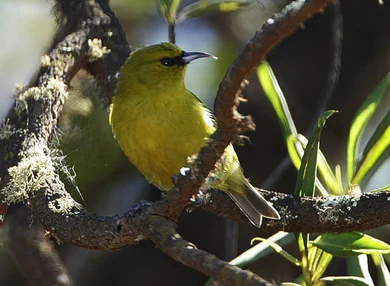
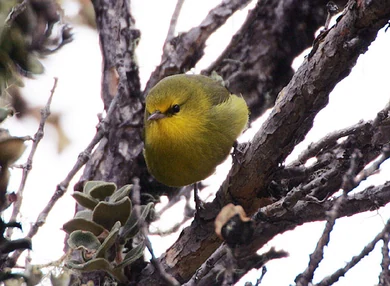
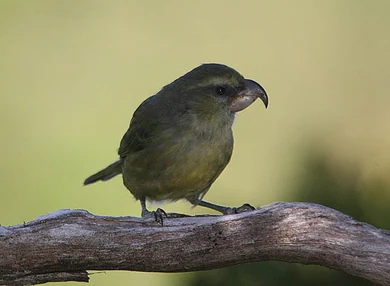
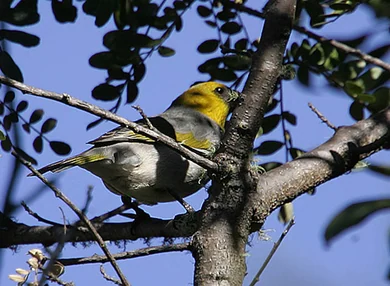
The Hawaii Akepa works on a smaller scale. Its bill tips cross slightly, allowing it to lever buds open and find small prey. Insects and spiders make up much of its food. For this bird, an old tree also provides something a young one may lack: a natural cavity suitable for nesting.
Michael’s early encounters with forest birds on Kauai led to surveys there in 1994 and later fieldwork on Maui. The photographs in this collection span islands. Choose a tour with the island in mind: the Oahu forest itinerary focuses on Oahu Amakihi, a honeycreeper, and Oahu Elepaio, a monarch flycatcher. The Iiwi photographs featured here were made on Maui.
Protecting a flowering tree preserves a feeding place for nectar drinkers and a supply of prey for birds working its buds. Forest protection is only one part of conservation. Introduced mosquitoes carry avian malaria, a serious threat to Hawaiian forest birds. Recovery teams combine habitat work with disease management and species-specific measures.
Original photography
Native forest birds
Native forest birds
Migratory shorebirds
Migratory waterbirds
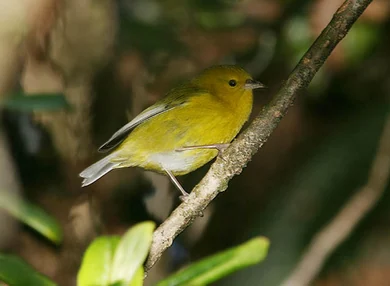
Native forest birds
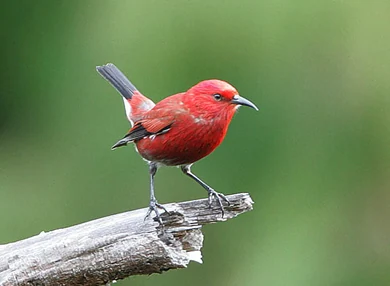
Native forest birds
Seabirds
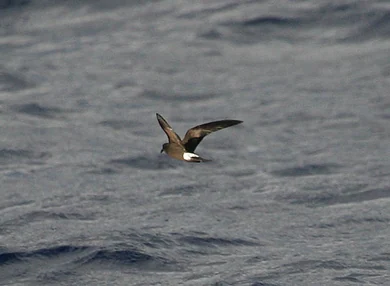
Seabirds
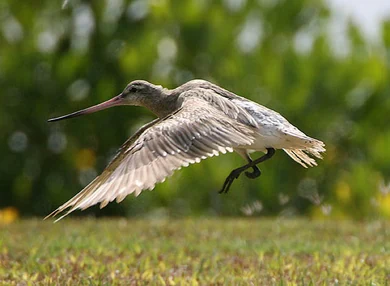
Migratory shorebirds
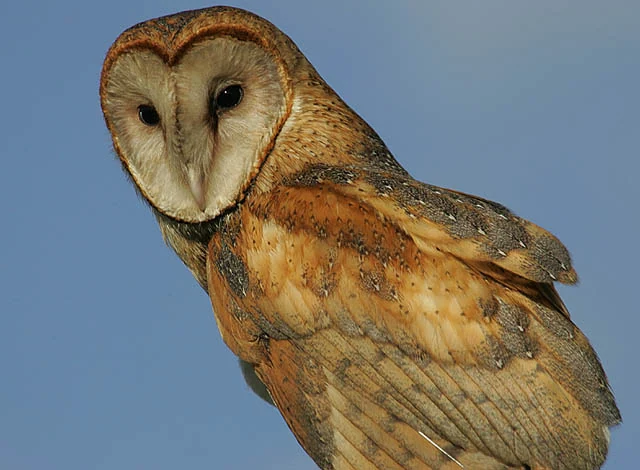
Introduced birds
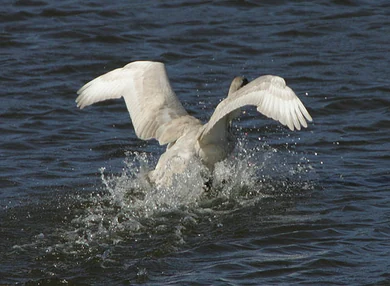
Migratory waterbirds
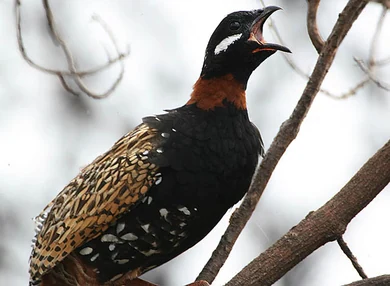
Introduced birds
Seabirds
Seabirds
Migratory shorebirds
Native waterbirds
Seabirds
Seabirds
Migratory waterbirds
Gulls and terns
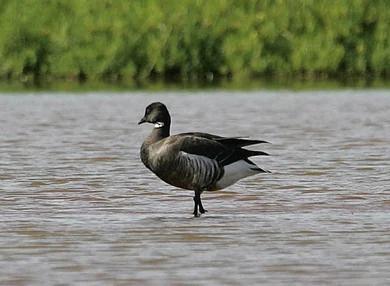
Migratory waterbirds
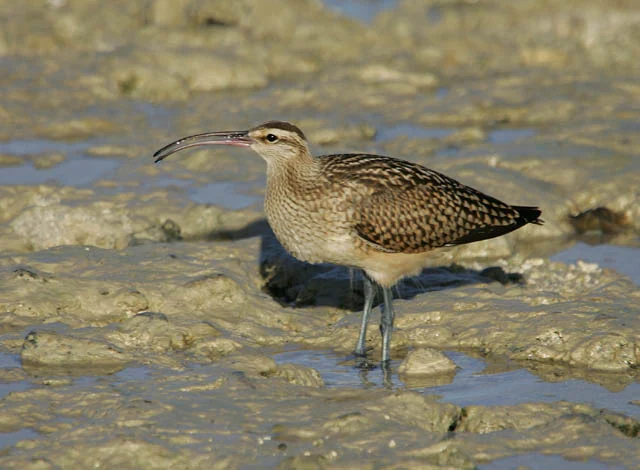
Migratory shorebirds
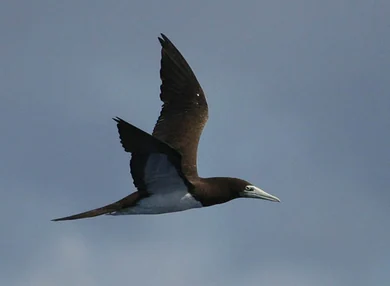
Seabirds
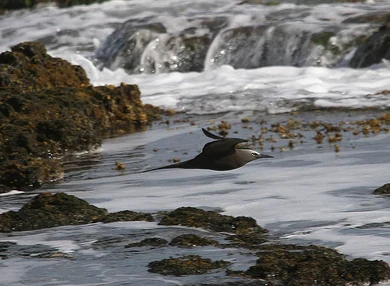
Seabirds
Migratory waterbirds
Seabirds
Introduced birds
Migratory waterbirds
Introduced birds
Migratory waterbirds
Migratory waterbirds
Seabirds
Introduced birds
Introduced birds
Introduced birds
Introduced birds
Introduced birds
Introduced birds
Migratory shorebirds
Migratory shorebirds
Seabirds
Introduced birds
Seabirds
Native forest birds
Migratory shorebirds
Migratory shorebirds
Seabirds
Introduced birds
Seabirds
Introduced birds
Introduced birds
Migratory waterbirds
Gulls and terns
Migratory waterbirds
Introduced birds
Migratory waterbirds
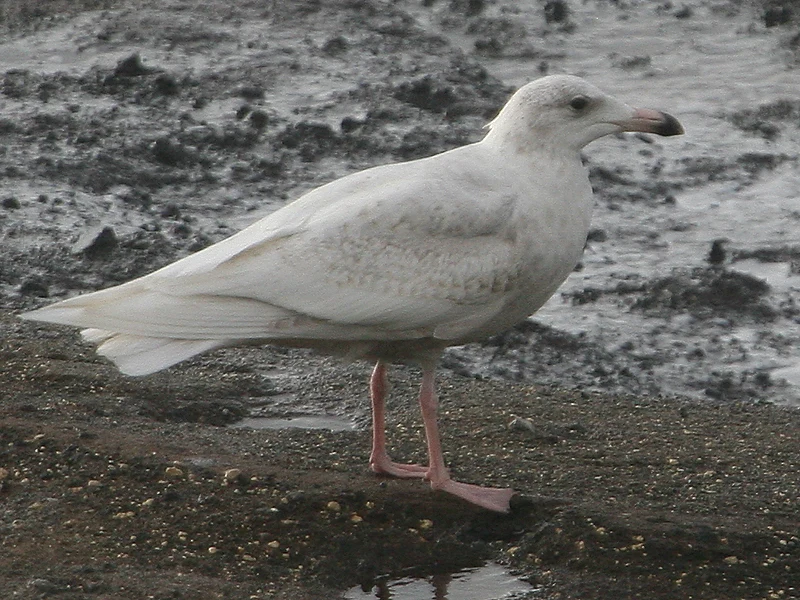
Gulls and terns
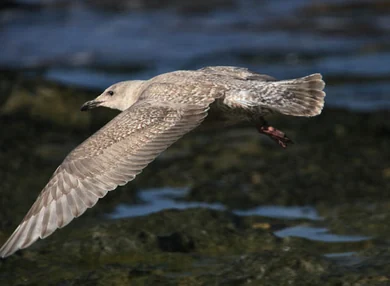
Gulls and terns
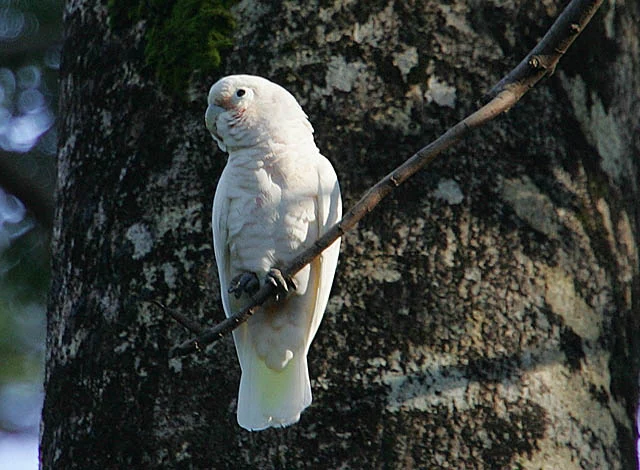
Introduced birds
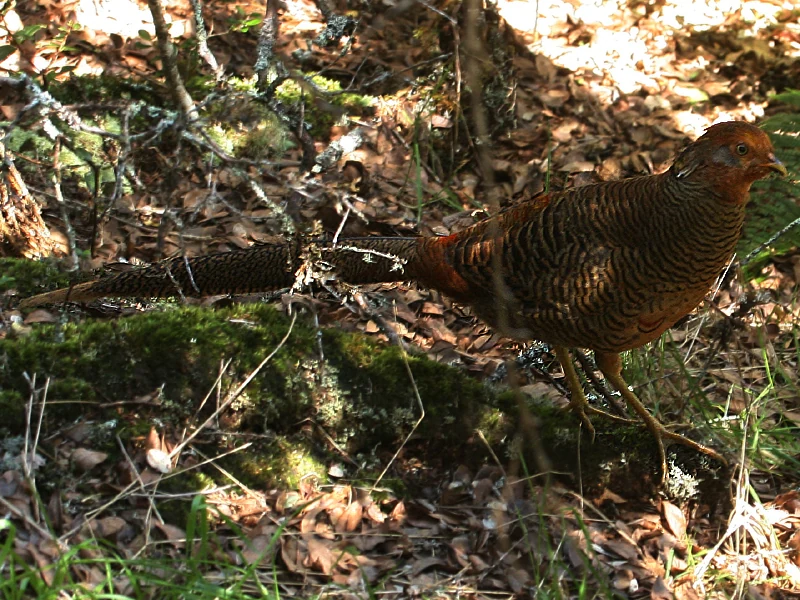
Introduced birds
Introduced birds
Seabirds
Migratory shorebirds
Migratory shorebirds
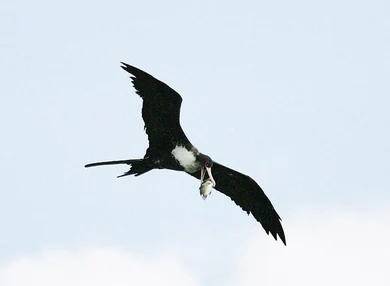
Seabirds
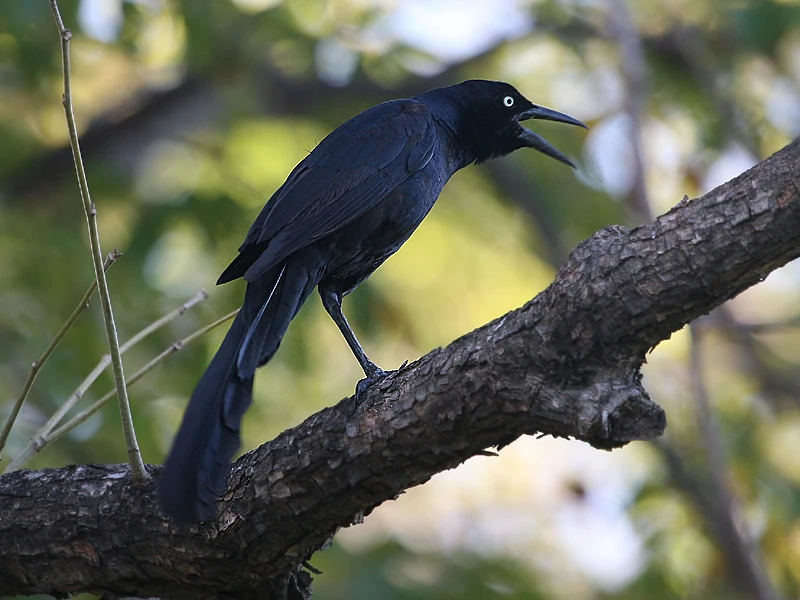
Introduced birds
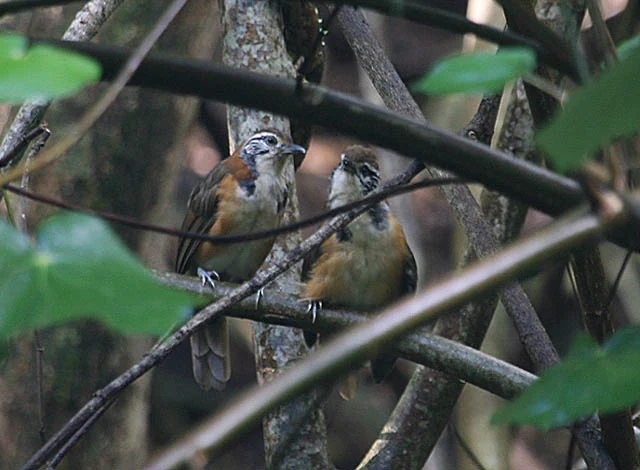
Introduced birds
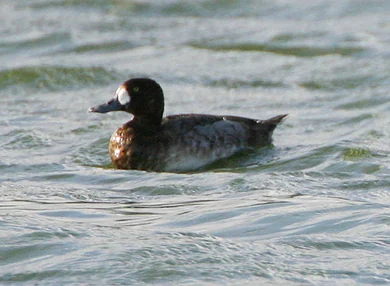
Migratory waterbirds
Migratory waterbirds
Migratory shorebirds
Introduced birds
Migratory waterbirds
Introduced birds
Native forest birds
Native forest birds
Native forest birds
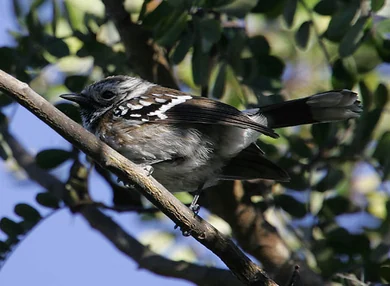
Native forest birds
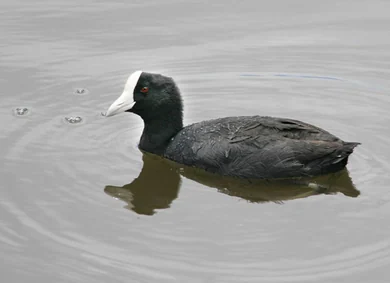
Native waterbirds
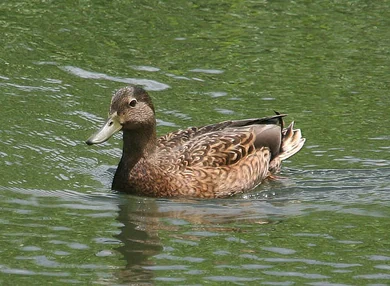
Native waterbirds
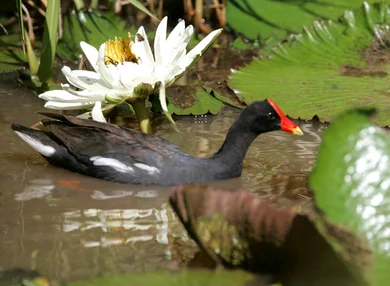
Native waterbirds
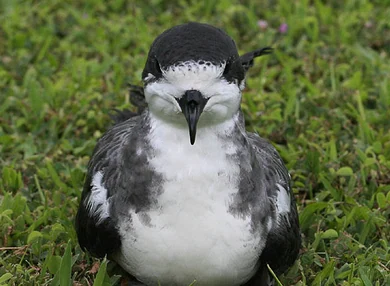
Seabirds
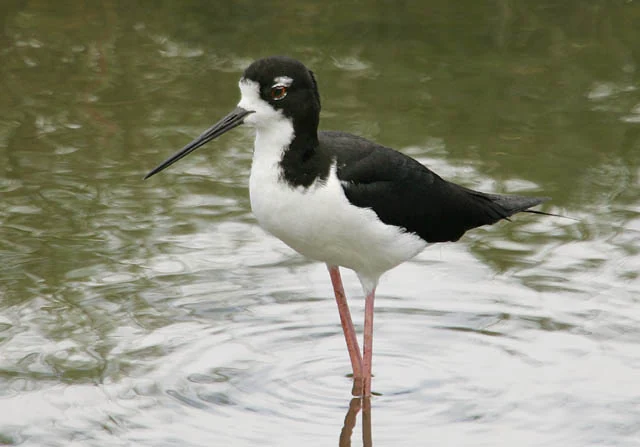
Native waterbirds
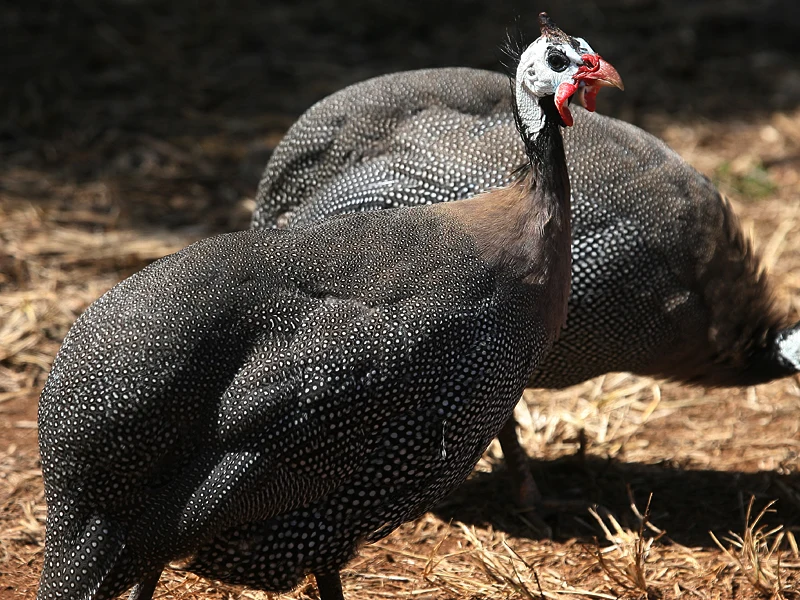
Introduced birds
Migratory waterbirds
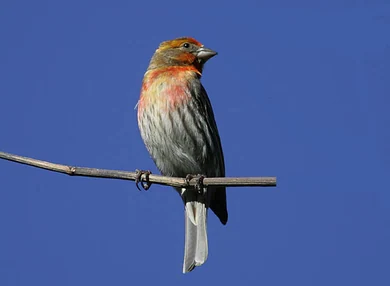
Introduced birds
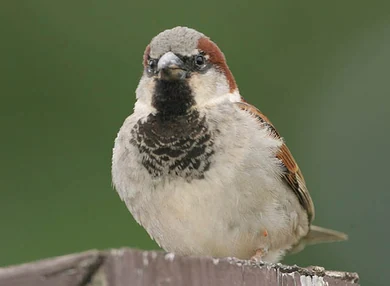
Introduced birds
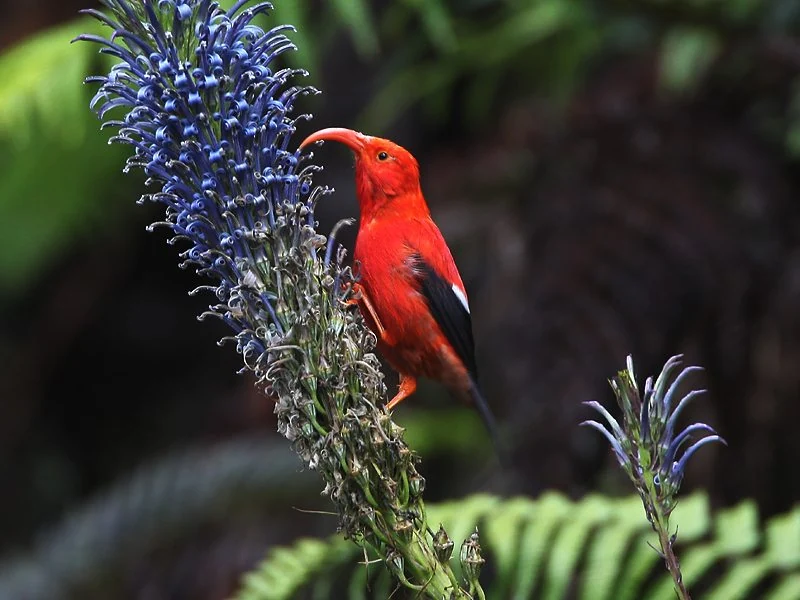
Native forest birds
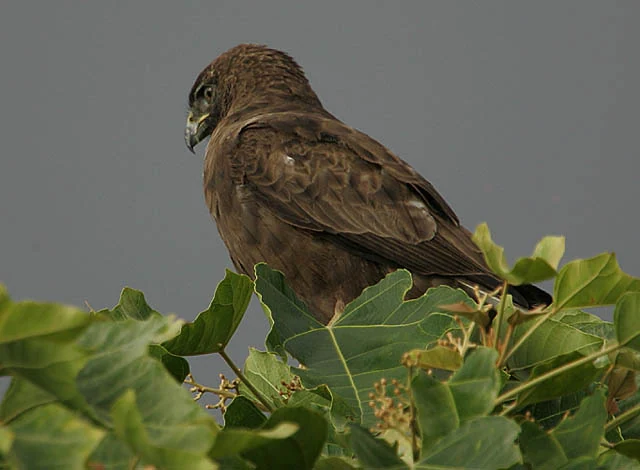
Raptors
Introduced birds
Introduced birds
Introduced birds
Native forest birds
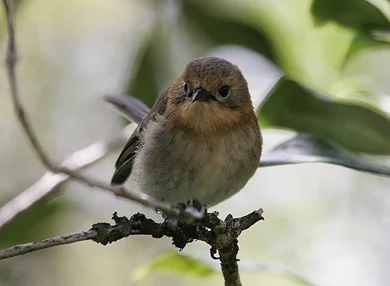
Native forest birds
Seabirds
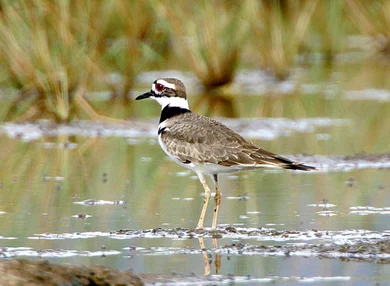
Migratory shorebirds
Gulls and terns
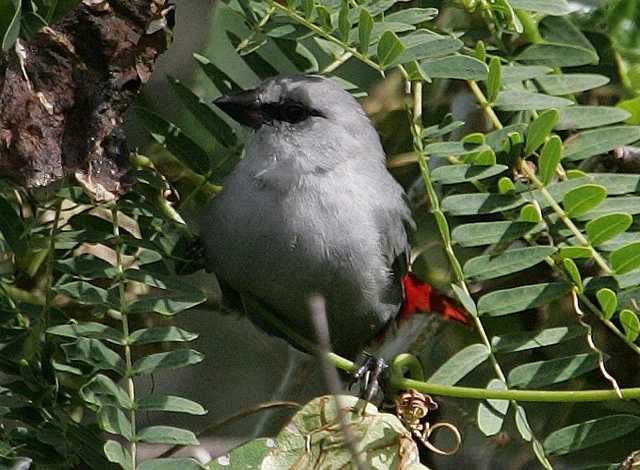
Introduced birds
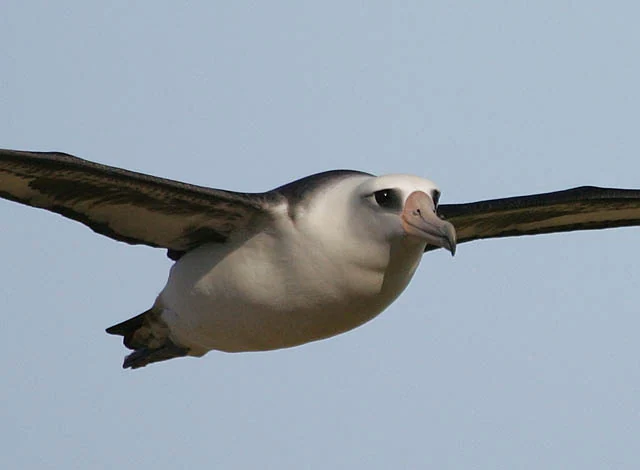
Seabirds
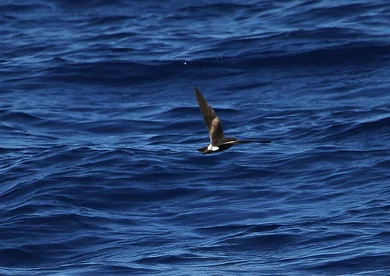
Seabirds
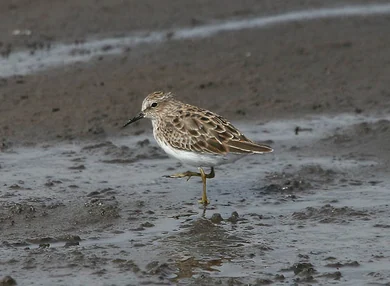
Migratory shorebirds
Seabirds
Migratory waterbirds
Migratory shorebirds
Migratory shorebirds
Introduced birds
Migratory shorebirds
Introduced birds
Seabirds
Native forest birds
Native forest birds
Native forest birds
Introduced birds
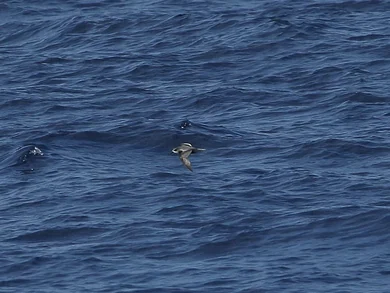
Seabirds
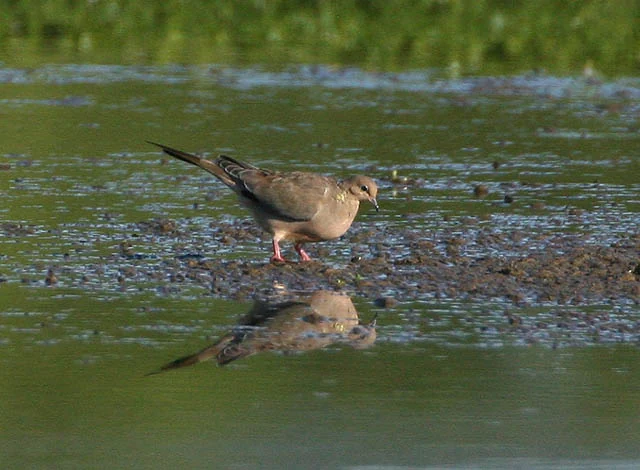
Introduced birds
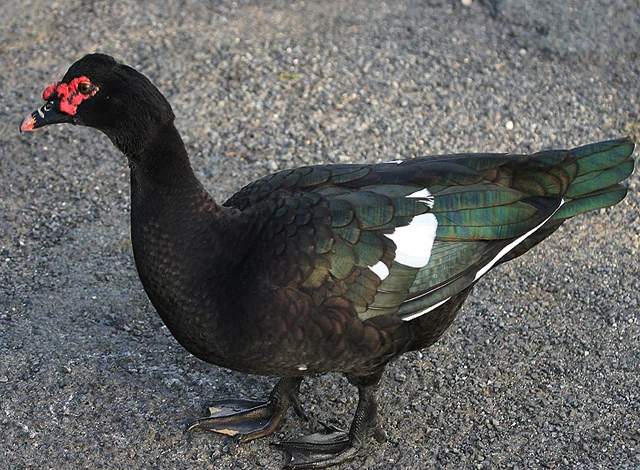
Introduced birds
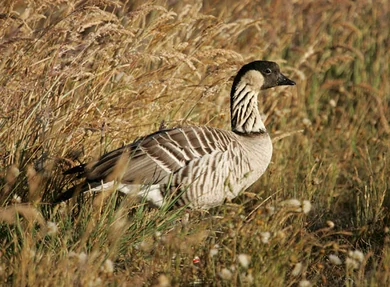
Native waterbirds
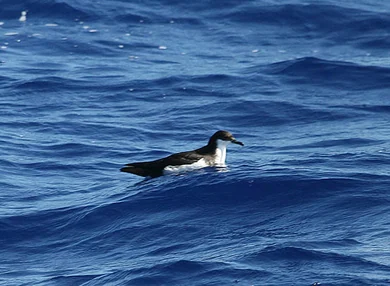
Seabirds
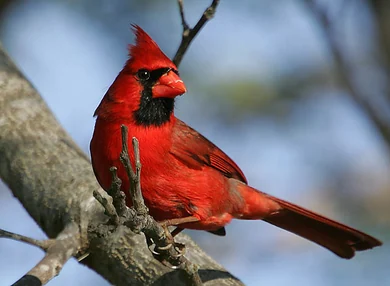
Introduced birds
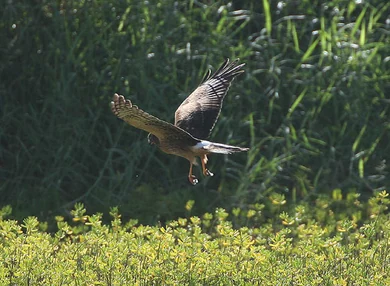
Raptors
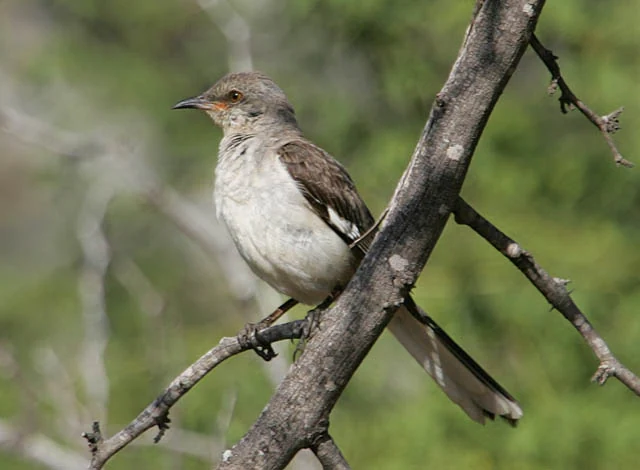
Introduced birds
Migratory waterbirds
Migratory waterbirds
Native forest birds
Native forest birds
Native forest birds
Introduced birds
Raptors
Migratory shorebirds
Native forest birds
Gulls and terns
Migratory shorebirds
Raptors
Seabirds
Gulls and terns
Native forest birds
Introduced birds
Introduced birds
Migratory shorebirds
Migratory shorebirds
Introduced birds
Seabirds
Migratory waterbirds
Introduced birds
Introduced birds
Seabirds
Introduced birds
Migratory shorebirds
Migratory shorebirds
Seabirds
Introduced birds
Introduced birds
Migratory waterbirds
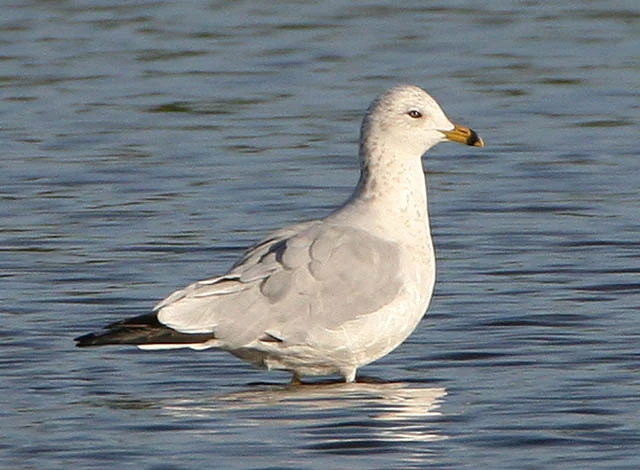
Gulls and terns
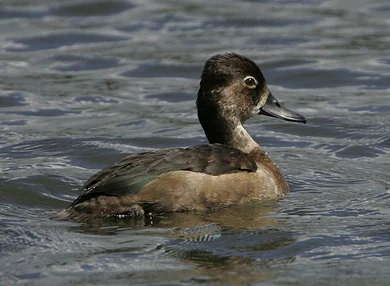
Migratory waterbirds
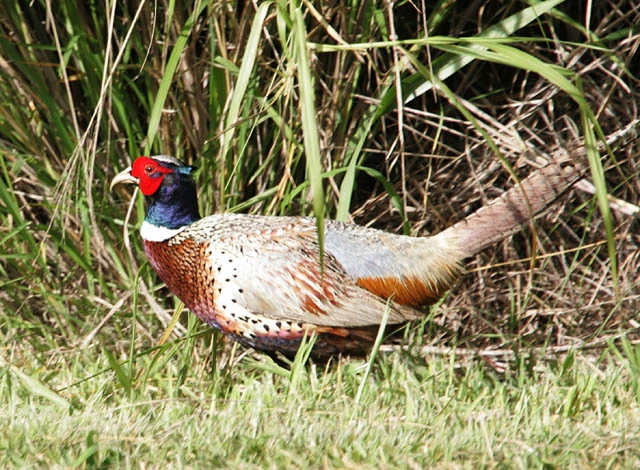
Introduced birds
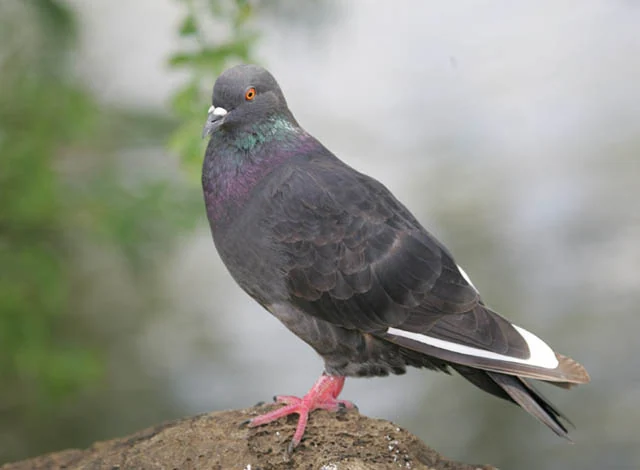
Introduced birds
Introduced birds
Introduced birds
Introduced birds
Introduced birds
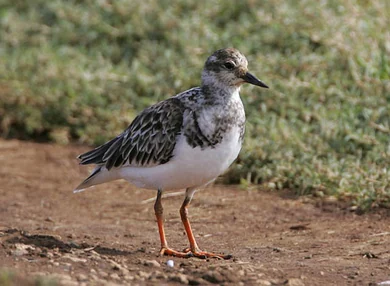
Migratory shorebirds
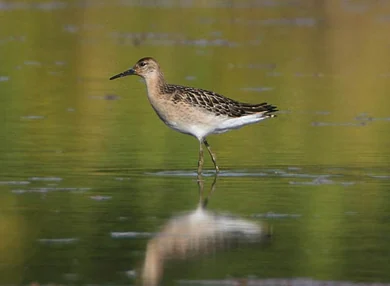
Migratory shorebirds
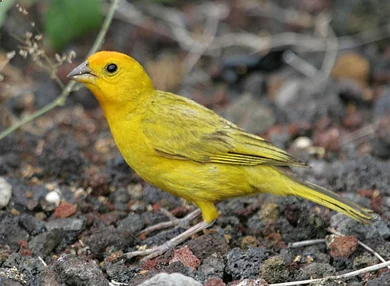
Introduced birds
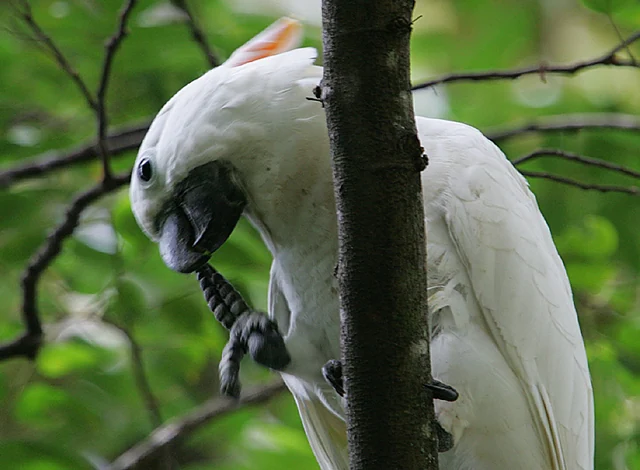
Introduced birds
Migratory shorebirds
Introduced birds
Migratory shorebirds
Migratory shorebirds
Migratory shorebirds
Migratory shorebirds
Gulls and terns
Raptors
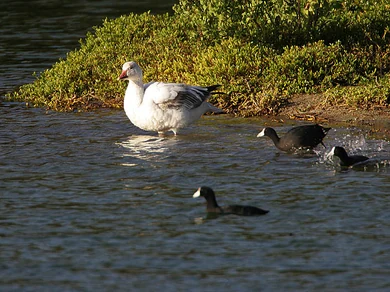
Migratory waterbirds
Seabirds
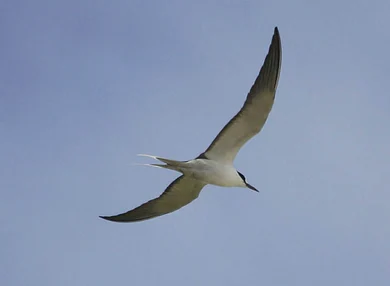
Seabirds
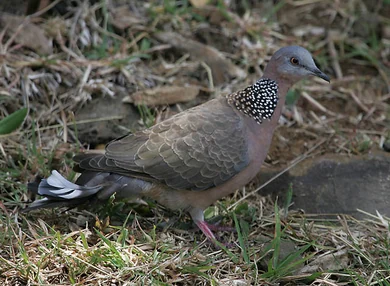
Introduced birds
Migratory shorebirds
Seabirds
Migratory shorebirds
Migratory shorebirds
Migratory shorebirds
Migratory waterbirds
Migratory shorebirds
Introduced birds
Introduced birds
Seabirds
Introduced birds
Introduced birds
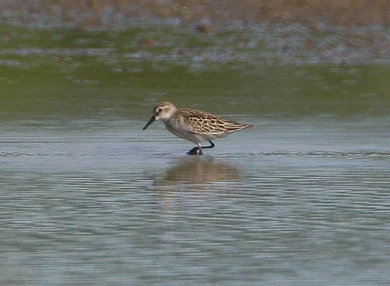
Migratory shorebirds
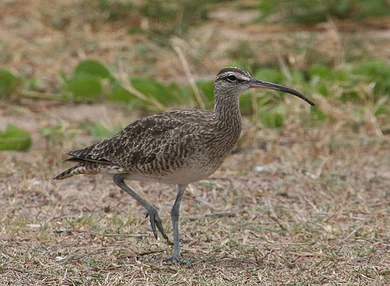
Migratory shorebirds
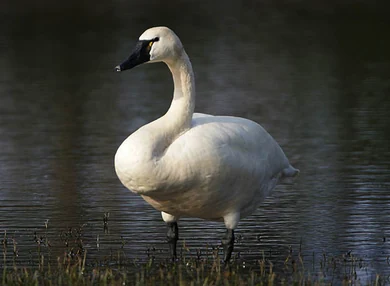
Migratory waterbirds
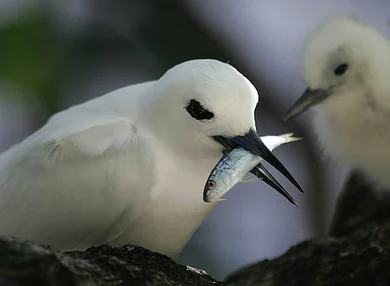
Seabirds
Migratory shorebirds
Migratory shorebirds
Introduced birds
Seabirds
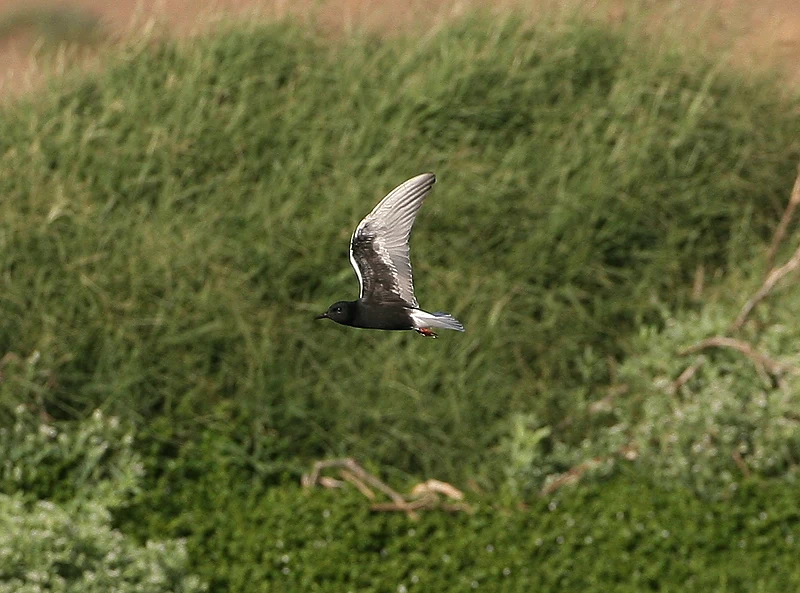
Seabirds
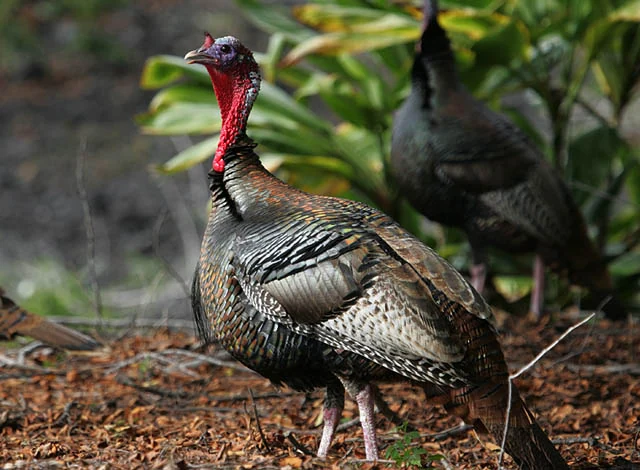
Introduced birds
Migratory shorebirds
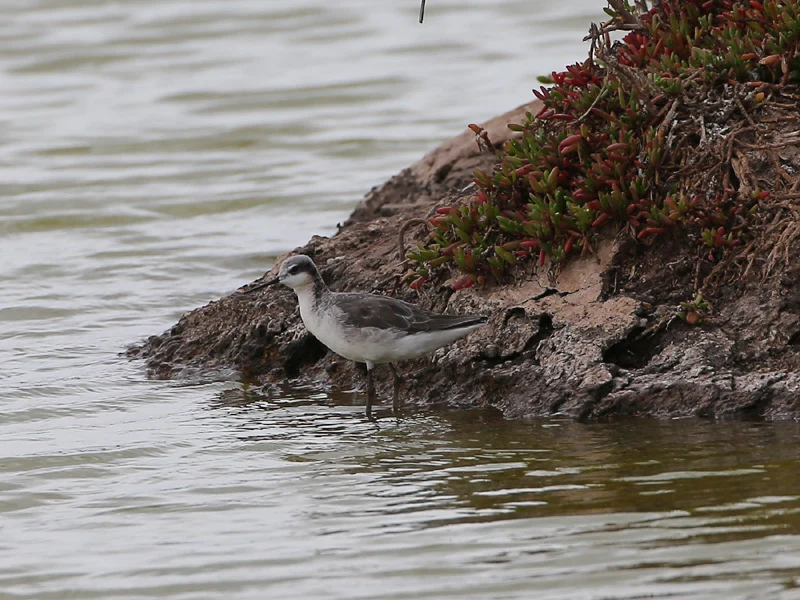
Migratory shorebirds
Introduced birds
Introduced birds
Introduced birds
Introduced birds

